Minnesota homes ask a lot from their heating and cooling equipment. Your air conditioner has to keep up with humid summer afternoons, your furnace or boiler has to carry you through freezing winter nights, and the rest of your HVAC system needs to support comfort, airflow, safety, and indoor air quality all year long.
That’s why residential HVAC maintenance isn’t just something to think about when equipment breaks. It’s an important part of protecting your home, lowering the risk of surprise repairs, and helping your system run as efficiently as possible.
If you’re wondering how to maintain HVAC system performance between professional visits, the good news is that some of the most important habits are simple. The key is knowing what you can do yourself, what should be left to a trained technician, and when it’s time to call Binder for help.
Why Residential HVAC Maintenance Matters
Your HVAC system is made up of several connected parts. Depending on your home, that may include a furnace, boiler, central A/C unit, heat pump, thermostat, humidifier, ductwork, vents, returns, and air filter.
When one part isn’t working well, the rest of the system can feel it. A dirty filter can restrict airflow. A neglected outdoor A/C unit can struggle during a heat wave. A furnace with worn or dirty components can run less efficiently. A boiler with pressure, leak, or circulation issues can make winter comfort harder to maintain.
Residential HVAC preventative maintenance helps catch small issues before they turn into bigger problems. It can also help improve efficiency, support better indoor air quality, extend equipment life, and give you more confidence before peak heating and cooling seasons.
For St. Paul and Twin Cities homeowners, timing matters. Binder typically recommends a spring A/C tune-up before cooling season and a fall heating check before your furnace or boiler starts working every day.
Keep reading for five practical HVAC maintenance tips to help your furnace, boiler, A/C, and overall comfort system stay ready for every Minnesota season.
1. Start With Your Furnace Air Filter
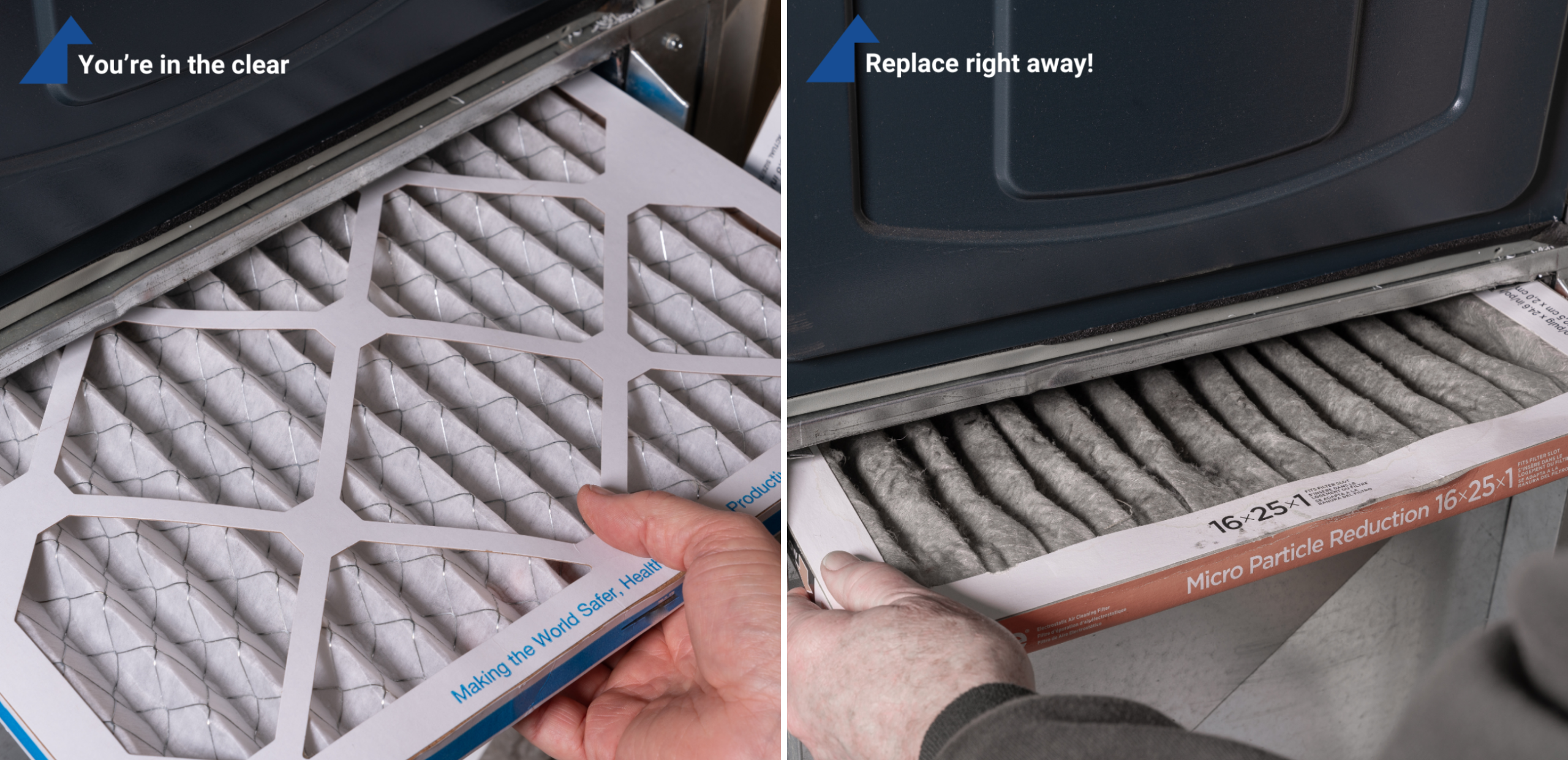
One of the easiest ways to maintain your HVAC system is to check your furnace air filter regularly.
Even when your A/C is running, air passes through the furnace filter. If that filter is clogged with dust, pet hair, or other debris, your system has to work harder to move air through the house. That can affect comfort, efficiency, and airflow.
A clean filter can help:
- Improve airflow
- Reduce strain on equipment
- Support better indoor air quality
- Help rooms heat and cool more evenly
- Prevent the system from working harder than necessary
How often should you replace your furnace filter?
That depends on the filter type, your home, pets, allergies, remodeling dust, and how often your system runs. We recommend homeowners check it monthly and replace it when it looks dirty. If you’re not sure what size or type to use, Binder can help during your next service visit.
2. Keep Your Outdoor A/C Unit Clear
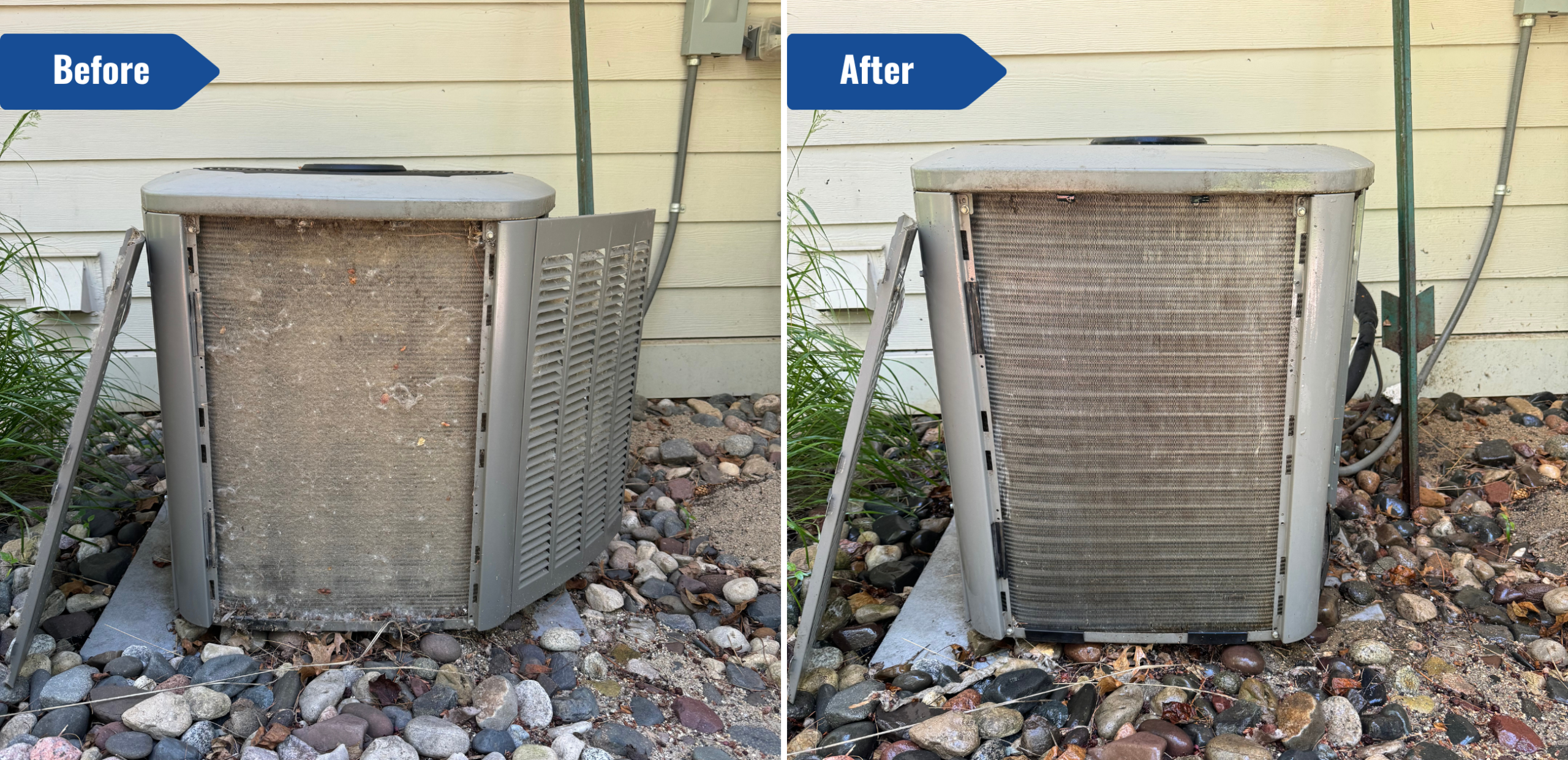
Your outdoor A/C unit needs room to breathe. Leaves, grass clippings, weeds, cottonwood, shrubs, and stored items can all block airflow around the condenser.
Try to keep at least 24 inches of clearance around the unit. Don’t stack patio furniture, garden tools, or yard waste against it. During the summer, take a quick look after mowing or storms to make sure the unit is clear.
You don’t need to take the unit apart or spray components aggressively. In fact, it’s better not to attempt deeper cleaning unless you know what you’re doing. A professional air conditioning maintenance visit can include a more complete inspection and cleaning of the system.
3. Pay Attention to Airflow Inside Your Home
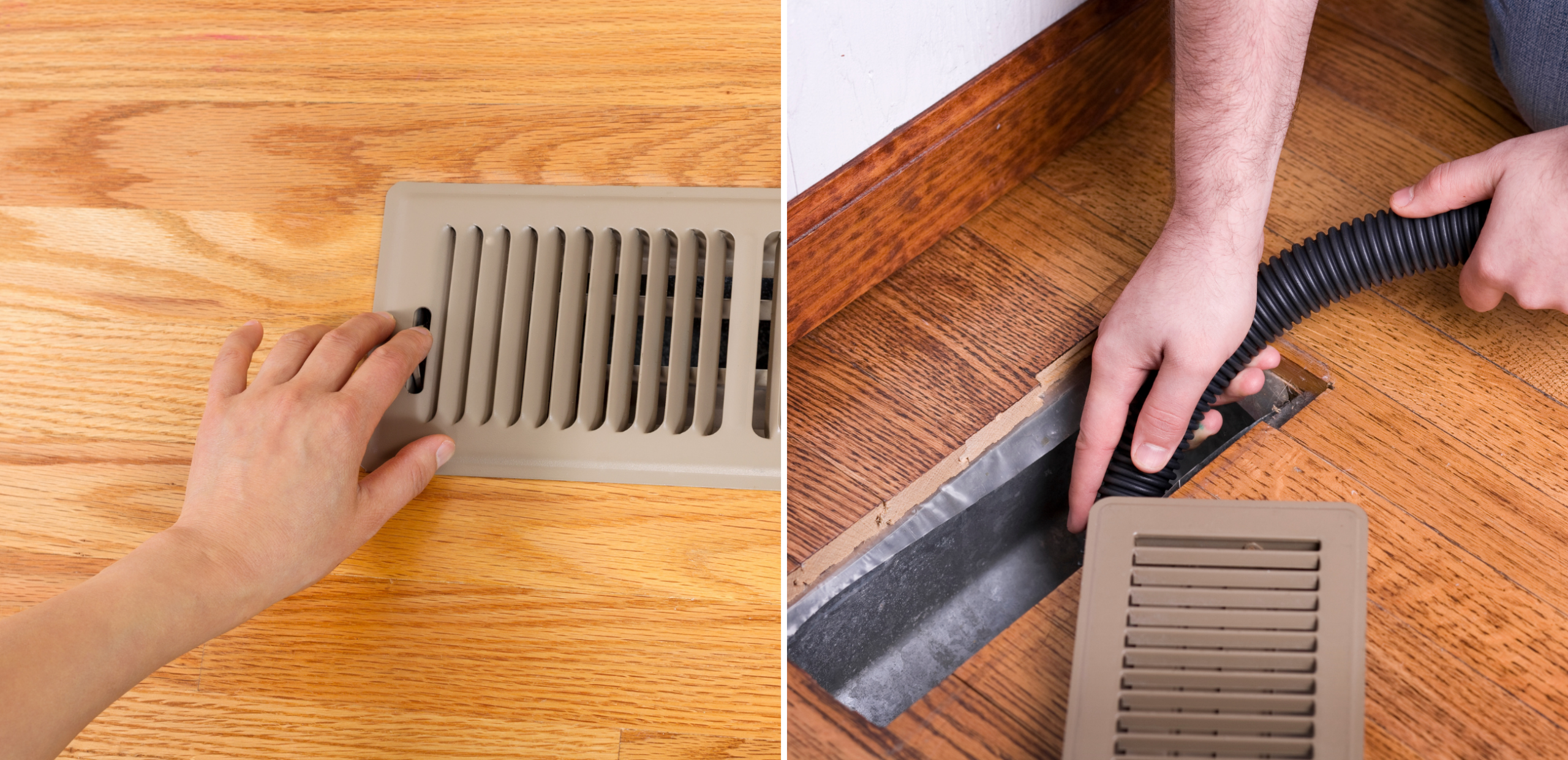
Good airflow is a major part of comfort. If your vents or returns are blocked, your system may struggle to move conditioned air where it needs to go.
Walk through your home and check for:
- Furniture covering supply vents
- Rugs blocking registers
- Closed vents in rooms you use often
- Dust buildup on grilles
- Weak airflow from specific vents
- Rooms that are always too hot or too cold
Some airflow issues are simple. Others may point to ductwork problems, equipment sizing concerns, or a system that needs professional attention. If uneven comfort is becoming a pattern, don’t ignore it.
4. Schedule Seasonal HVAC Maintenance
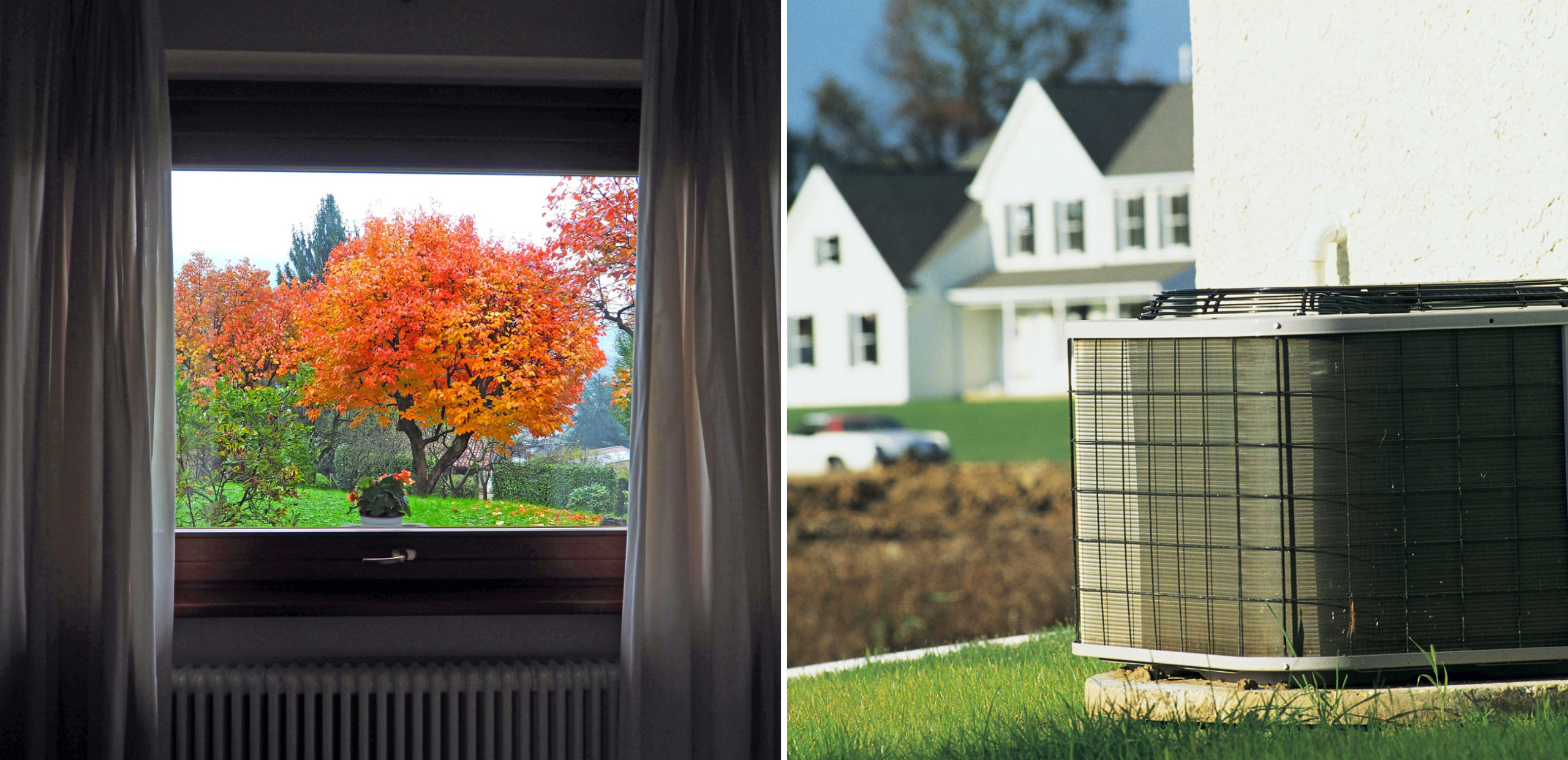
Your furnace or boiler should be checked before the coldest weather arrives. A fall tune-up gives a technician time to inspect the system, clean key components, test operation, and look for potential issues before your heating system is under daily demand.
Fall furnace maintenance can help reduce the chance of mid-winter breakdowns, improve efficiency, and support safe operation. This is especially important for gas furnaces, boilers, and other fuel-burning equipment.
Spring is the best time to get your A/C ready for summer. After sitting through a long Minnesota winter, your cooling system may have dust buildup, worn parts, dirty coils, airflow issues, or other concerns that aren’t obvious until the first hot stretch hits.
A spring A/C maintenance check can help improve cooling performance, reduce the risk of summer breakdown, and help the system run more efficiently. A professional technician can inspect the outdoor unit, test system performance, check airflow, review electrical components, and make sure your cooling system is ready for the season.
5. Don’t Ignore Small HVAC Problems
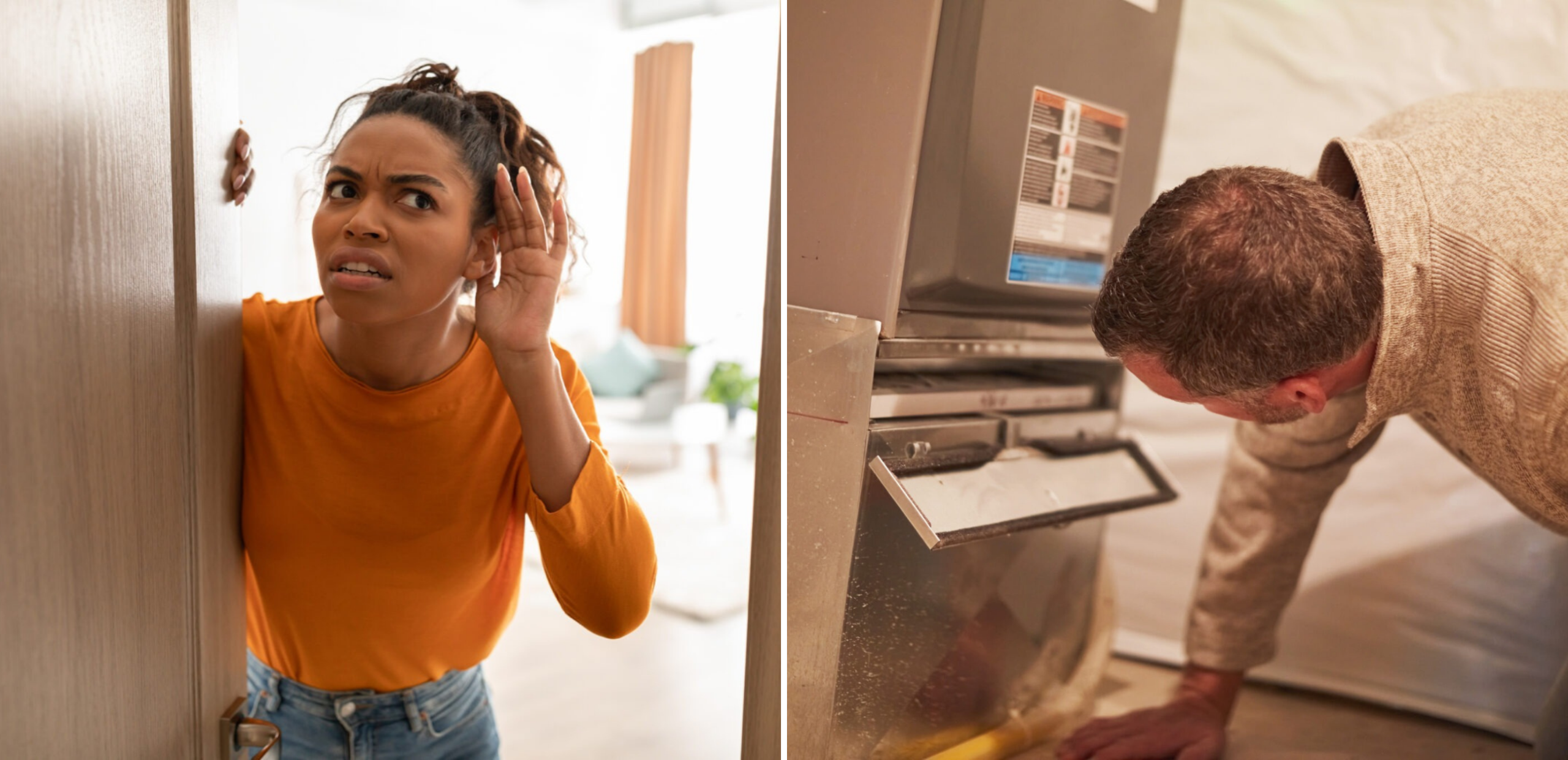
A small issue can become a bigger repair if the system keeps running under stress. Call for service if you notice:
- New or unusual noises
- Burning smells or electrical odors
- Short cycling
- Weak airflow
- Uneven heating or cooling
- Water around equipment
- Rising utility bills without a clear reason
- A furnace, boiler, or A/C unit that can’t keep up
- A system that shuts down unexpectedly
If your furnace stops working, there are a few safe furnace checks you can make before calling for help, such as confirming the thermostat setting, checking the filter, and making sure switches or breakers haven’t been tripped.
For boiler-specific concerns, such as leaks, unusual sounds, uneven heat, or pressure issues, review these signs your boiler needs repair.
Know When Maintenance Isn’t Enough
Maintenance can do a lot, but it can’t make equipment last forever. If your system is older, needs frequent repairs, or struggles to keep your home comfortable, it may be time to talk about replacement.
That doesn’t mean you need to rush into a new system. A good HVAC company should inspect the equipment, explain what’s happening, review repair options, and help you decide whether repair or replacement makes more sense.
If you’re starting to question the age or reliability of your current equipment, we encourage you to read our article on when it’s time to replace your HVAC system.
Keep Your Home Comfortable 24/7/365 with Binder
Regular HVAC maintenance is one of the simplest ways to protect your comfort, your equipment, and your peace of mind.
Whether you need furnace maintenance, an air conditioning tune-up, or other HVAC repair help, Binder is here to help. Our team serves homeowners throughout St. Paul and the greater Twin Cities metro with straightforward recommendations and dependable service.
Schedule your next heating or cooling service with Binder and keep your home ready for every season.
Frequently Asked Questions
How do I clean and maintain my HVAC system?
Start with simple homeowner tasks: check and replace your furnace air filter, keep vents and returns clear, make sure the outdoor A/C unit has proper clearance, keep the area around indoor equipment clean, and pay attention to unusual noises, smells, or comfort changes. Professional maintenance should include deeper inspection, cleaning, testing, and system adjustments.
How do I maintain HVAC systems?
To maintain HVAC systems, schedule professional heating maintenance in the fall and A/C maintenance in the spring. Between visits, check your filter regularly, keep equipment areas clear, monitor thermostat performance, and call for service when something doesn’t seem right.
How can I keep my home HVAC system running?
You can help keep your home HVAC system running by changing dirty filters, avoiding blocked vents, keeping outdoor equipment clear, scheduling preventative maintenance, and addressing small problems early. If your system is older or needs repeated repairs, ask a technician whether continued maintenance or replacement is the better long-term choice.
Which HVAC service providers offer residential maintenance contracts?
Many HVAC companies offer residential maintenance contracts, but the details vary. Binder offers the Neighbor Network for homeowners in St. Paul and the surrounding Twin Cities metro. It includes seasonal maintenance benefits, priority scheduling, and discounts on service calls, helping homeowners stay ahead of heating and cooling needs.