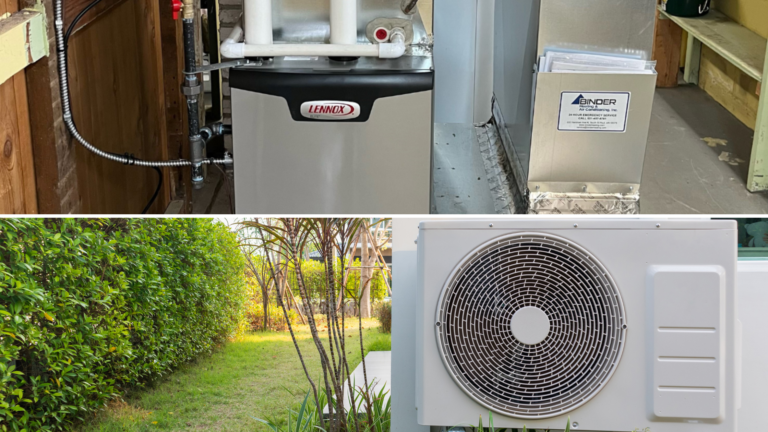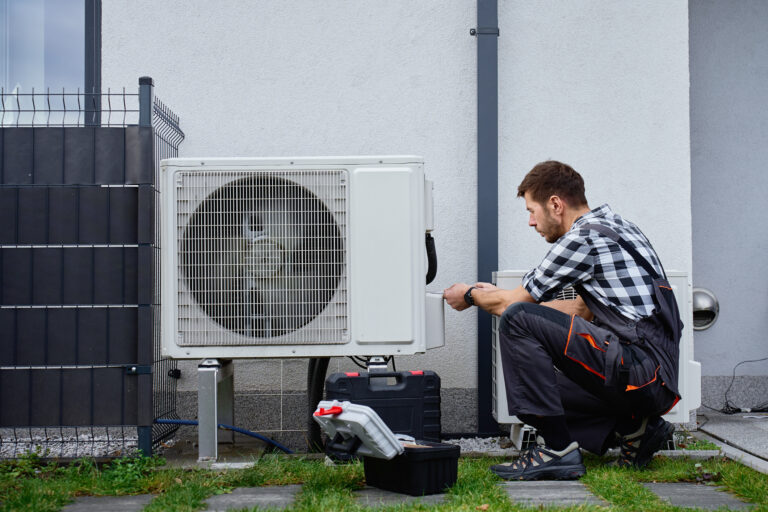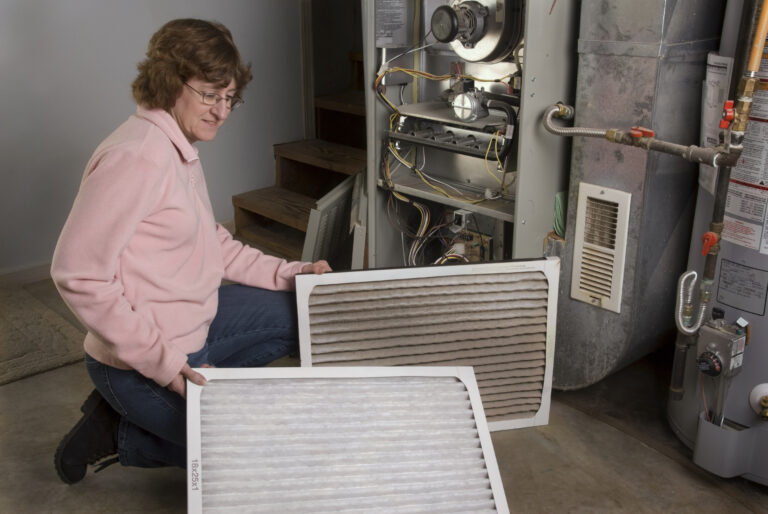
Older homes have a lot to love. From classic St. Paul four-squares to historic Victorian mansions, these homes have character, craftsmanship, and details you rarely find in newer construction.
But when summer humidity rolls in, many older homes share the same problem: they were NOT built with modern A/C in mind.
If your house was originally designed with radiators, a boiler, small closets, limited attic space, or little to no ductwork, adding cooling can feel complicated. The good news is that homeowners have more options today than ever before.
Whether you’re dealing with window units, an aging central A/C system, uneven temperatures, or a house that has never had cooling, we’re here to help you understand the best old home air conditioning options for your space.
Why Older Homes Can Be Hard to Cool
Air conditioning for old houses is not always as simple as replacing equipment or adding a few vents. Many older homes were designed around heating first, especially in Minnesota.
Common challenges include:
- Boiler heat with radiators instead of ductwork
- Limited space for duct runs
- Small closets or tight mechanical rooms
- Finished attics or upper levels that trap heat
- Older electrical systems
- Rooms with different insulation levels
- Large sun-facing windows
- Historic details homeowners want to preserve
- Additions built at different times
In older St. Paul area homes, it’s common to see window A/C units doing most of the work. While window units can help cool individual rooms, they often block natural light, create security concerns, make a lot of noise, and struggle to provide consistent whole-home comfort.
And in some older homes, the challenge isn’t just that there’s no ductwork. It’s that homeowners want comfort in several rooms without changing the look and feel of the house.
That’s why it’s worth looking at the full range of air conditioning options for older homes before deciding what to do next. Here’s a clear starting point to help you compare your home’s layout, existing heating system, and comfort goals before choosing the right cooling solution.

Option 1: Replace an Old A/C System
If your older home already has central air, the simplest path may be an A/C replacement.
Over time, A/C systems lose efficiency, need more repairs, and may struggle to keep up during especially hot, humid stretches. If your current system is overly noisy, unreliable, or no longer cooling evenly, it may be time to replace old A/C equipment with a newer system.
Signs replacement may make sense include:
- The system is older and needs frequent repairs
- Your energy bills keep rising
- The A/C runs constantly but does not cool well
- Some rooms are much warmer than others
- The system uses outdated components
- Repairs are becoming more expensive
- You’re planning other home upgrades
Binder’s air conditioning services include maintenance, repair, replacement, and installation for residential cooling systems. When we evaluate a system, we look at more than just the outdoor unit. We also consider airflow, ductwork, equipment sizing, electrical needs, and the way your home is actually used.
Option 2: Add Central A/C if Ductwork Exists
Some older homes already have ductwork because they use forced-air heating. In that case, central A/C may be a good option.
However, older ductwork still needs to be evaluated carefully. Ducts designed decades ago for heating may not always move air effectively for modern cooling. Cooling is especially challenging on upper levels because heat naturally rises, and upstairs bedrooms often receive more sun exposure.
Before adding central air conditioning to an older home, an HVAC professional should review:
- Duct size and condition
- Return air locations
- Airflow to upper floors
- Insulation levels
- Equipment capacity
- Electrical requirements
- Whether zoning could help
For two-story homes with uneven temperatures, HVAC zoning may also be worth considering. Our guide on zoned HVAC systems for two-story homes explains how zone dampers and multi-zone thermostats can help improve comfort in homes where one thermostat is trying to control too much space.
Option 3: Install a Ductless Mini-Split System
For many older homes, especially homes with radiators or boiler heat, ductless mini-splits are one of the most practical air conditioning retrofit options.
Mini-splits use one outdoor unit connected to one or more indoor units, called “heads.” These indoor units are installed in specific rooms or zones, allowing homeowners to cool targeted areas without adding traditional ductwork.
Ductless systems can be a good fit for:
- Homes with boiler heat
- Houses without ductwork
- Finished attics
- Upper-level bedrooms
- Sunrooms
- Additions
- Garages or workshops
- Rooms that never cool properly
- Historic homes where ductwork would be disruptive
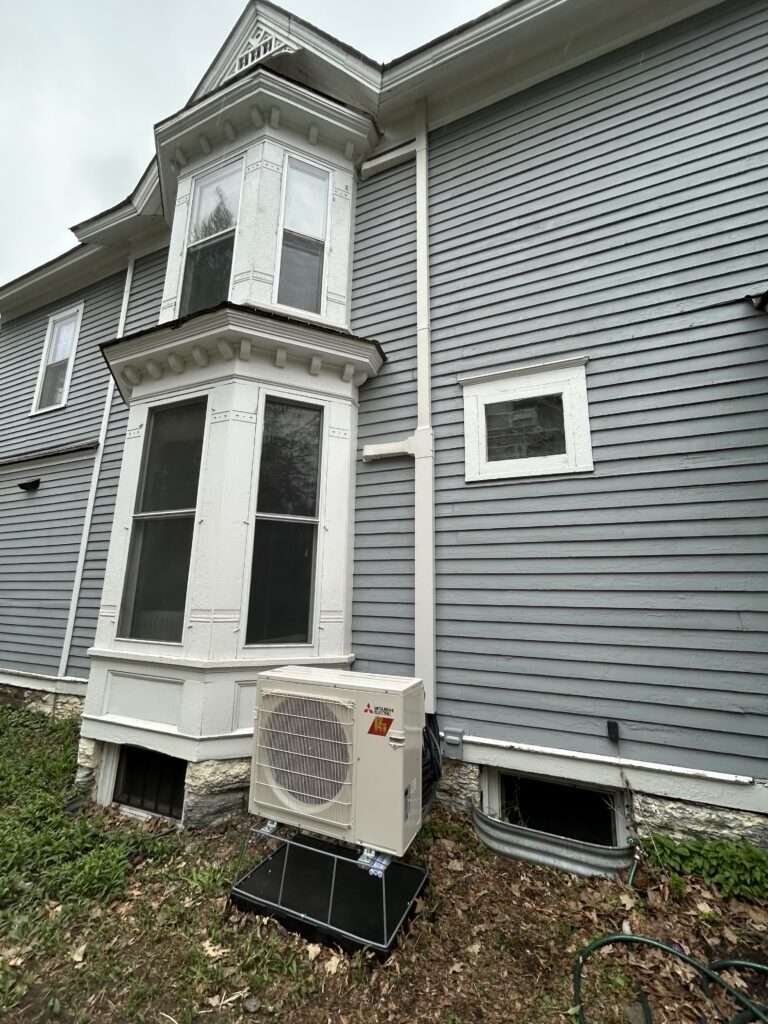
One major benefit is flexibility. Instead of cooling the entire home from one central system, you can focus on the areas that need the most help. For example, one indoor unit may serve the main living area, while another cools upstairs bedrooms.
Some mini-splits provide cooling only, while others are ductless heat pumps that provide both heating and cooling. That can be helpful in Minnesota homes where homeowners want efficient summer cooling and supplemental heat during cold seasons.
Option 4: Consider a High-Velocity System
High-velocity systems are another strong air conditioning retrofit option for older homes, especially houses with no existing ductwork or homes where there’s attic space available to run smaller ducting to multiple rooms.
Binder often installs Unico systems, which are small-duct, high-velocity systems designed to deliver central cooling through much smaller ducts than a traditional forced-air system. Instead of large, bulky duct runs and standard vents, these systems use compact supply tubing and smaller outlets that can blend more naturally into older homes.
This can be especially helpful in historic homes, radiator-heated homes, or residences where the homeowner wants central cooling without adding large ductwork, visible wall units, or major changes to the home’s interior.
A high-velocity system may be a good fit if:
- Your home has no traditional ductwork
- You have radiator or boiler heat
- You want central cooling in multiple rooms
- You have attic space or other areas where small ducting can be routed
- You want a more discreet look than wall-mounted mini-split heads
- You’re trying to preserve the character of an older or historic home
As with any older-home cooling project, the right recommendation depends on your layout, budget, comfort goals, and how the system can be installed without creating unnecessary disruption.
Option 5: Use Ductless Systems for Problem Spaces
Even if your older home already has central A/C, a ductless system may still be useful for spaces your main system cannot handle well.
Older homes often have rooms that were added later or built outside the original heating and cooling plan. A sunroom, finished porch, converted attic, or garage may not have the same comfort needs as the rest of the house.
That’s where a targeted mini-split or high-velocity system can help.
Instead of overworking your main system, a ductless unit can provide dedicated cooling where you need it. This can be especially helpful if the rest of the home is comfortable, but one space is consistently too hot.
Our blog on ductless mini-splits for garages and sunrooms covers more details on where these systems make sense and what homeowners should consider before buying.
What To Consider Before Choosing A Cooling System
The best old home air conditioning options depend on the home. There’s no one-size-fits-all answer, especially when you’re working with older construction.
Before choosing a system, think about the following factors:
- Existing Heating System: If your home has a furnace and ducts, central A/C may be possible. If it has boiler heat and radiators, a ductless system may be more practical.
- Ductwork Access: Adding ductwork to an older home can be expensive and disruptive, especially if walls, ceilings, or historic finishes need to be opened. If there is no easy way to route ducts, ductless may be a better solution. If there is attic space or another practical route for smaller ducting, a high-velocity system may also be an option.
- Electrical Capacity: Older homes may need electrical upgrades before adding modern cooling equipment. This should be reviewed before installation begins.
- Home Layout: A small one-and-a-half-story home may need a different solution than a large two-story home with multiple bedrooms upstairs. Room layout, ceiling height, sun exposure, and insulation all matter.
- Comfort Goals: Do you want whole-home cooling, or are you mainly trying to cool bedrooms, an upstairs level, or a frequently used living space? Your goals will shape the best recommendation.
- Appearance: For historic homes, appearance matters. Homeowners often want equipment and line sets placed carefully so the finished installation looks clean and respects the character of the home.
- Budget: The cost of an old air conditioning retrofit depends on the system type, equipment size, number of zones, electrical work, installation complexity, and whether ductwork is needed. A professional quote should explain what’s included, what assumptions are being made, and what options are available.
Why Professional Design Matters
Cooling an older home isn’t just about picking equipment. It’s about designing the right solution for the house.
If a system is too small, it may run constantly and still fail to cool the home. If it’s too large, it may short cycle, waste energy, and struggle with humidity control. If airflow is poor, certain rooms may still feel uncomfortable even after new equipment is installed.
A good HVAC evaluation should look at:
- System sizing
- Home layout
- Insulation
- Windows and sun exposure
- Ductwork or ductless placement
- Line set routes
- Outdoor unit location
- Electrical needs
- Long-term service access
- Homeowner comfort goals
At Binder, we believe in practical recommendations. Sometimes the right answer is to replace the old A/C equipment. Sometimes it’s installing a ductless mini-split. Sometimes it’s a high-velocity system. And sometimes it’s a combination of solutions.
The goal isn’t to force an older home into a modern system it was never designed for. The goal is to find a cooling solution that works with the home.
Talk to Binder Today About Air Conditioning Options for Your Older Home
If you live in an older St. Paul or Twin Cities area home, you don’t have to rely on noisy window units or struggle through another humid summer.
Binder can help you compare air conditioning options for older homes, including central A/C replacement, ductless mini-splits, high-velocity systems, and targeted cooling solutions for hard-to-condition spaces.
Give us a call to discuss the best cooling solution for your older home.
Frequently Asked Questions
How much does it cost to replace an old A/C unit?
The cost to replace an old A/C unit depends on the size of the home, the type of equipment, installation requirements, ductwork condition, electrical needs, and any efficiency upgrades. A straightforward replacement may cost less than a more complex project that requires duct modifications or other updates. The best way to know what your home needs is to schedule an estimate.
Can you add central air conditioning to an older home with radiators?
Yes, but it depends on the home. Many older homes with radiators don’t have existing ductwork, which can make traditional central A/C more difficult to install. In those cases, ductless mini-splits may be a more practical option than adding a full duct system.
What are the best A/C systems for homes without ductwork?
For homes without ductwork, ductless mini-splits are often one of the best options. They provide targeted cooling without requiring traditional ducts. Depending on the home, a ductless heat pump may also provide both cooling and supplemental heating. High-velocity systems are another option for homes without ductwork, especially when homeowners want central cooling in several rooms with less visible equipment inside each space.
What is the cost of installing ductless A/C in a historic house?
The cost of installing ductless A/C in a historic house depends on the number of indoor units, equipment size, line set routing, electrical work, outdoor unit placement, and how carefully the installation needs to be integrated into the home’s appearance. Historic homes often require more planning to preserve finishes and maintain a clean look. The best way to know what your historic home needs is to schedule an estimate.
What does a quote look like for a mini-split A/C installation in an older home?
A mini-split quote for an older home should typically include the recommended equipment, number of indoor units, outdoor unit placement, line set routing, electrical requirements, labor, warranty information, and any options for different system configurations. It should also explain why the recommended system fits the home’s layout and comfort goals.
How much does it cost to put an A/C unit in a house that never had one?
The cost to add A/C to a house that never had one depends on whether the home has ductwork, whether ductwork can be added, whether a ductless system is a better fit, and whether electrical upgrades are needed. A home with existing forced-air ducts may have different options than a boiler-heated home with radiators. Contact Binder today, and we can evaluate your home and walk you through the best cooling options.