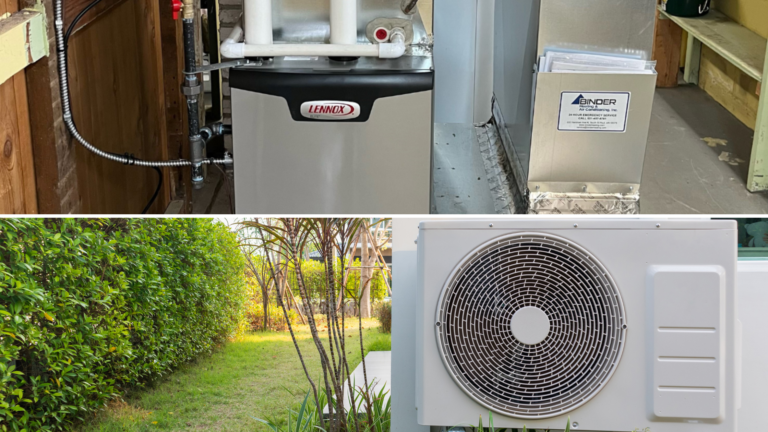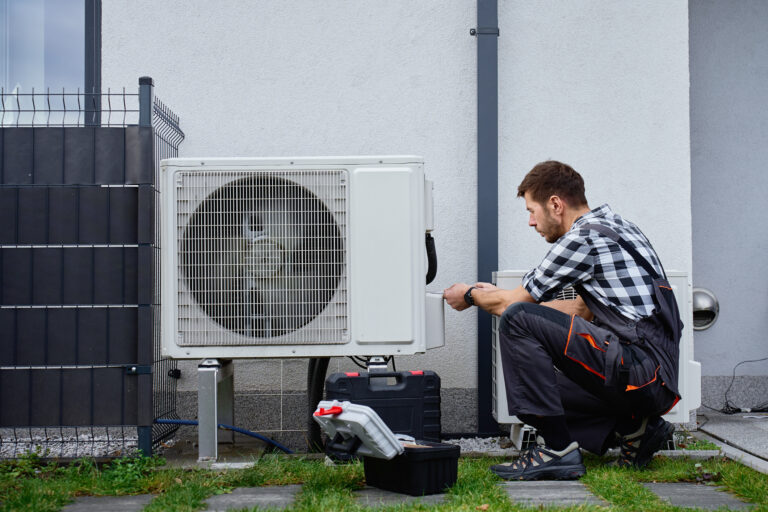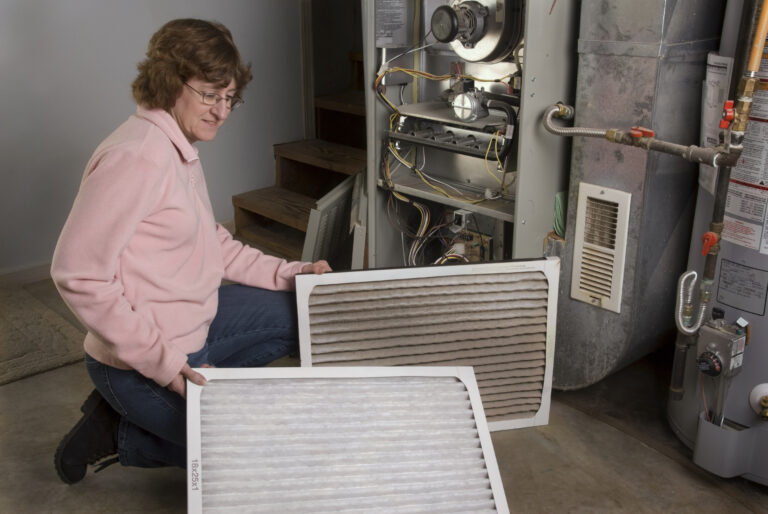
When Binder first opened its doors back in 1927, heating, ventilation, and air conditioning (A/C) all looked very different from what they do today.
Homes were often heated by boilers, radiators, coal, oil, or early forced-air systems. Ventilation was often thought of in simple terms: open a window, install a fan, or add ductwork where possible. And A/C was still very rare in everyday homes.
Fast forward nearly 100 years, and HVAC systems are smarter, cleaner, more efficient, and more connected than ever.
As Binder approaches its 100th anniversary, it’s a good time to look back at the broader HVAC history that shaped how Twin Cities homes and businesses stay comfortable today.
The History of Heating: From Basic Warmth to Better Efficiency
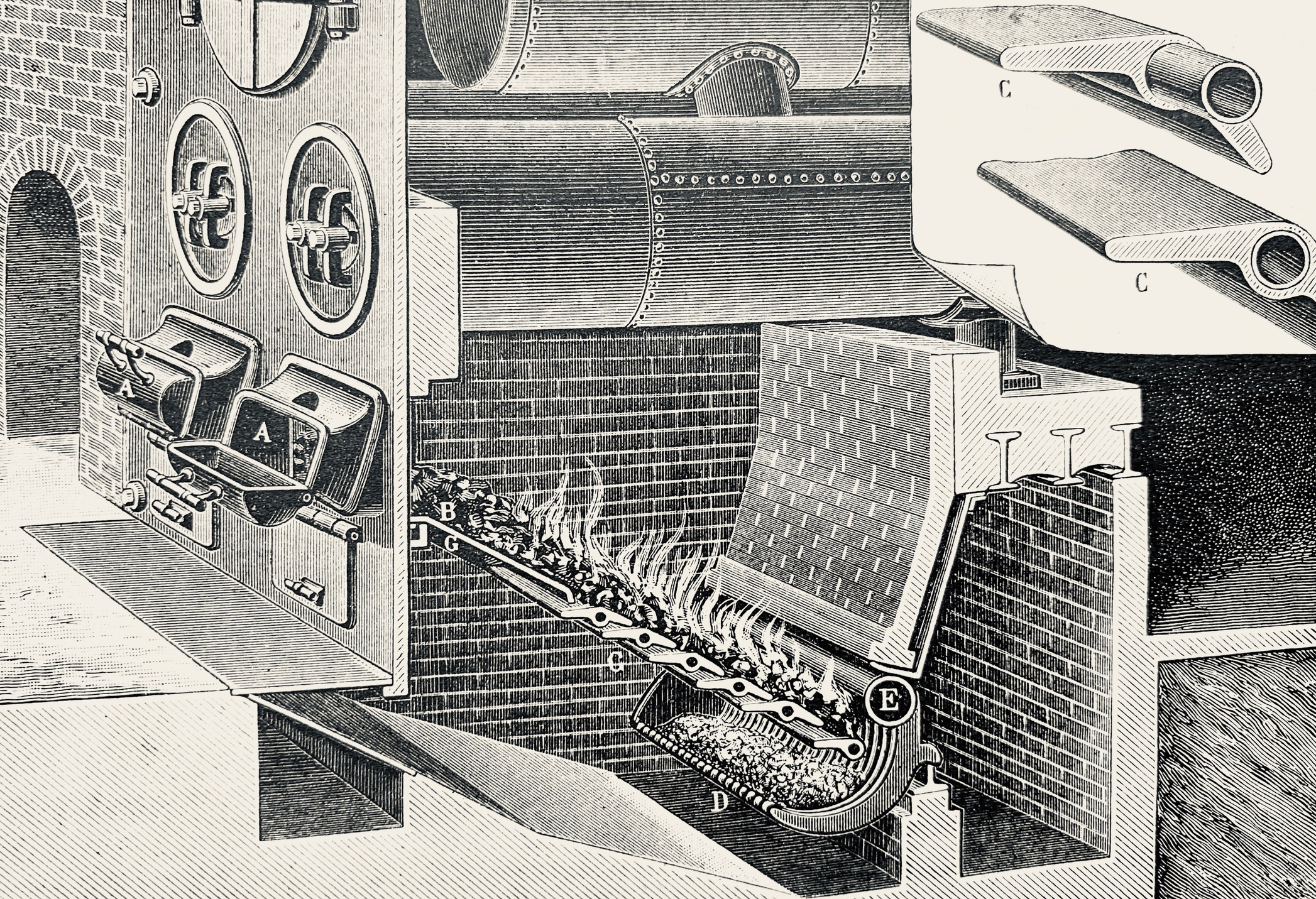
A stair grate heating illustration from the early 19th century.
Heating has always been an essential service, especially in Minnesota. Long before modern furnaces and thermostats, homeowners relied on fireplaces, stoves, boilers, radiators, and gravity-fed systems to get through the winter.
By the early 20th century, central heating was becoming more reliable and more widely available. Steam and hot water systems were common in many older homes and buildings, while forced-air heating grew as ductwork, fans, and controls improved.
Over the decades, heating systems became safer, cleaner, and more efficient. Coal gave way to oil, natural gas, electricity, and high-efficiency equipment. Thermostats became more accurate. Furnaces became better at moving air evenly. Boilers became more efficient and easier to control.
Today, homeowners can choose from a wide range of heating solutions, including high-efficiency furnaces, boilers, heat pumps, and hybrid systems. For most homes, the right choice depends on the house, comfort goals, budget, efficiency expectations, and long-term plans.
The History of Ventilation: From Fresh Air to Indoor Air Quality
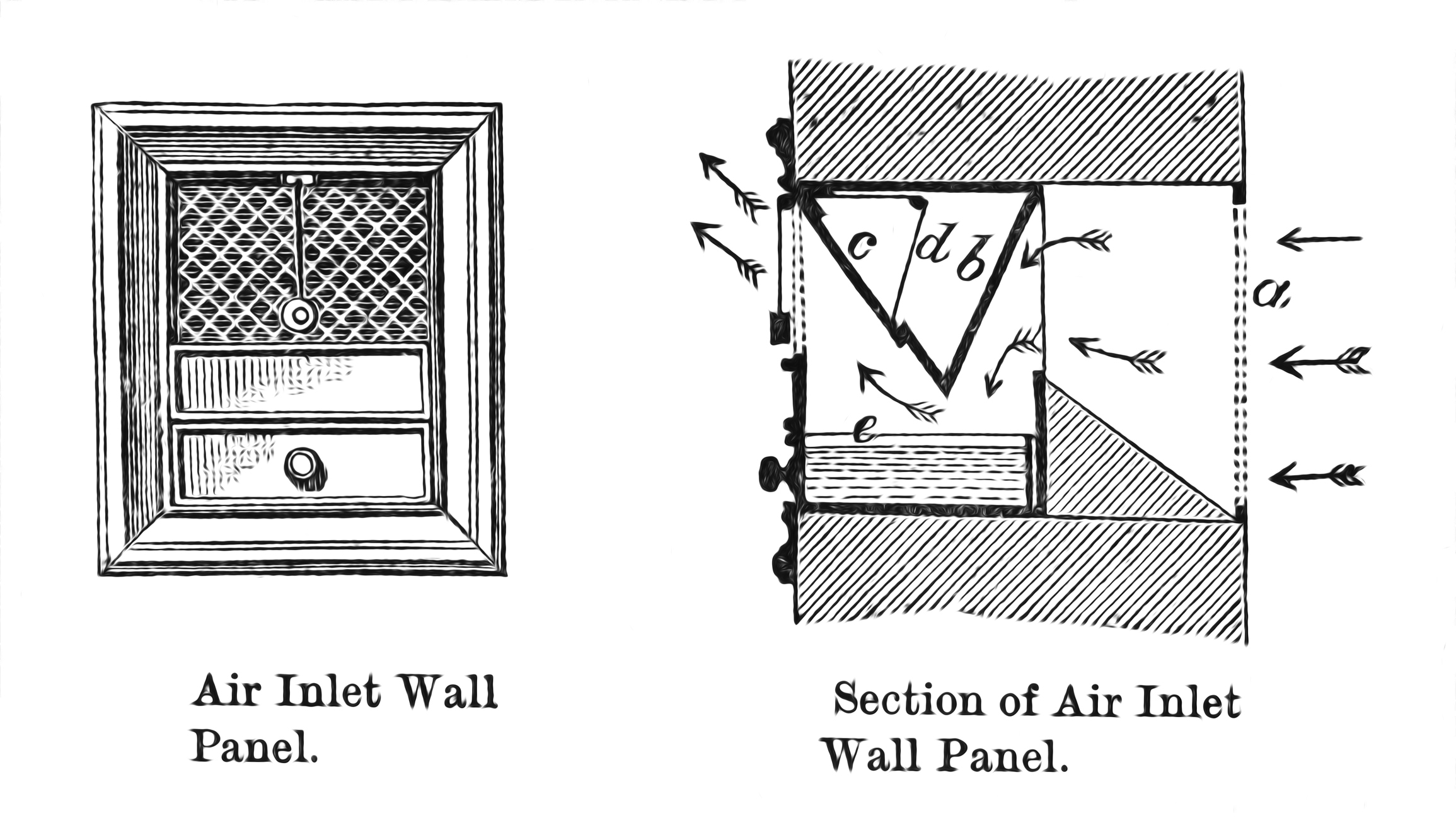
An old engraved illustration of an air inlet wall panel.
Ventilation has always been part of building comfort, but the way we think about it has changed dramatically.
Early ventilation often depended on natural airflow: windows, vents, chimneys, and building design. As buildings became tighter, taller, more complex, and more mechanically controlled, ventilation became a more technical discipline.
In 1959, ASHRAE was formed through the merger of the American Society of Heating and Air-Conditioning Engineers and the American Society of Refrigerating Engineers. That history matters because organizations like ASHRAE helped formalize standards, research, and best practices across heating, ventilation, A/C, and refrigeration.
A major ventilation milestone came in 1973, when ASHRAE Standard 62.1 first became the industry standard for ventilation and acceptable indoor air quality in many buildings. Today, that standard continues to address mechanical ventilation, natural ventilation, filtration, air cleaning, controls, and building operation.
Ventilation became especially important as homes and commercial buildings grew more energy-efficient. Tighter construction helps reduce energy waste, but it also means air needs to be managed carefully. Good ventilation helps remove stale air, control moisture, support indoor air quality, and keep buildings healthier and more comfortable.
For commercial spaces, ventilation can be even more complex. Restaurants, warehouses, offices, and multi-tenant buildings all have different needs, such as custom ductwork, make-up air systems, rooftop units, and specialized ventilation solutions.
The History of A/C: From Industrial Tool to Everyday Comfort
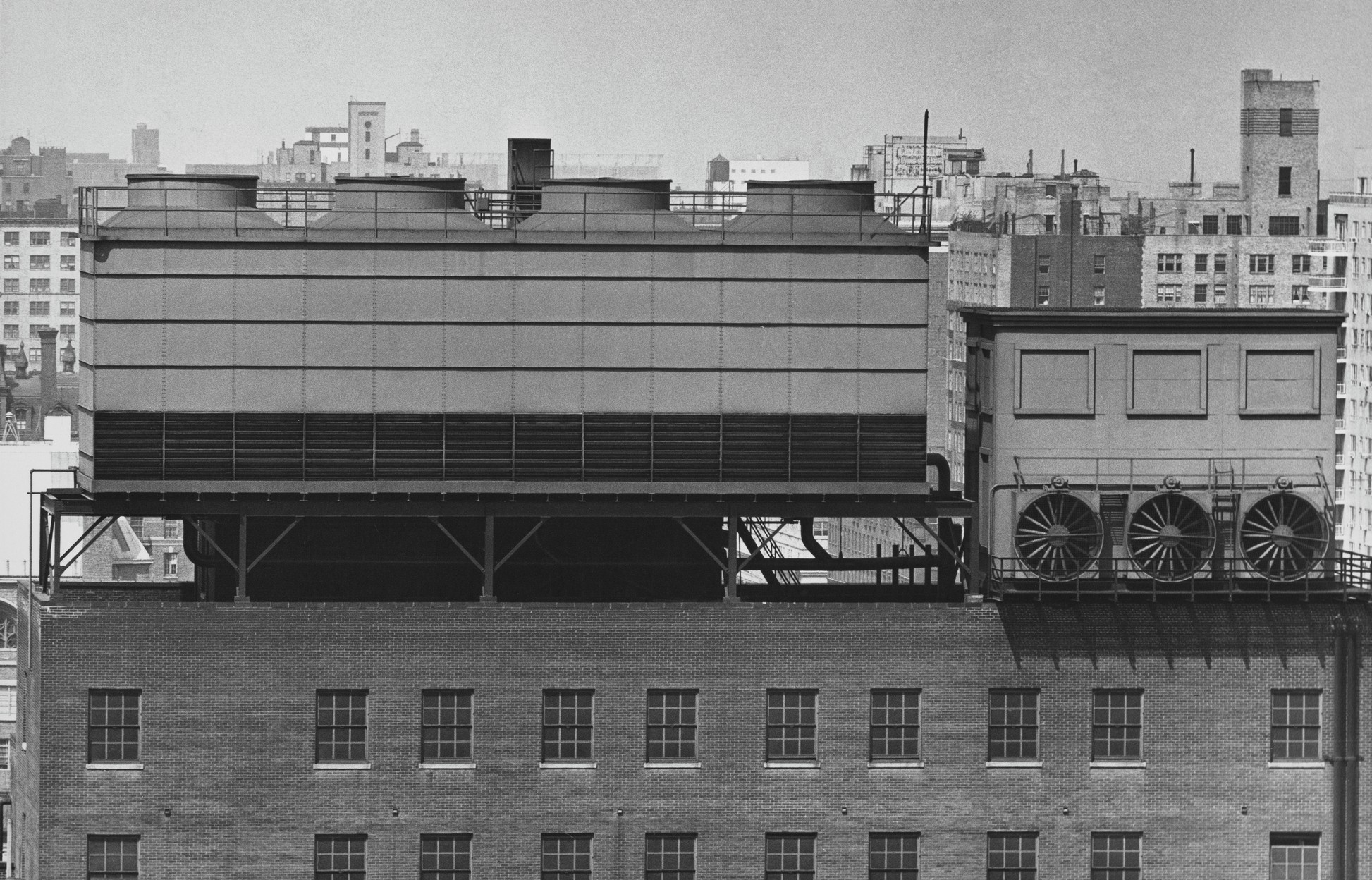
Cooling towers mounted on a rooftop alongside early air-conditioning units, circa 1955.
The history of air conditioning took a very different path.
Modern A/C is often traced back to 1902, when Willis Carrier designed a system to solve a humidity problem at a printing plant. The goal was not simply comfort. It was process control. Paper was expanding and shrinking in humid conditions, which made printing difficult. By controlling the temperature and humidity, the system helped stabilize production.
That early breakthrough helped define what modern A/C would become: not just cooling, but temperature control, humidity control, air movement, and filtration.
In 1922, Carrier developed the centrifugal refrigeration compressor, which the Smithsonian describes as a safer, smaller, and more powerful step toward modern A/C. This helped make larger-scale cooling more practical for commercial buildings, theaters, and public spaces.
For a long time, though, A/C was not common in homes. It was expensive, bulky, and mostly found in commercial environments. That changed after World War II, as equipment became smaller and more affordable. By the 1950s, residential A/C started becoming a more realistic option for American homeowners.
Today, reliable cooling is a major part of home comfort, indoor air quality, sleep, and safety during extreme heat.
The Energy Efficiency Era
By the 1970s and 1980s, energy use became a major focus across the HVAC industry. Rising energy costs, new building expectations, and environmental concerns pushed manufacturers, contractors, and regulators to rethink how heating and cooling equipment performed.
In the United States, the National Appliance Energy Conservation Act of 1987 established the first minimum efficiency requirements for central A/C and heat pump equipment, and those standards took effect in 1992. Later updates followed in 2006 and 2015.
That shift changed how homeowners and contractors evaluated HVAC systems. It was no longer just about whether a system could heat or cool. It was also about how efficiently it could do the job.
Today, HVAC efficiency continues to improve through better motors, compressors, controls, zoning, insulation practices, duct design, and smart thermostats. Despite those efforts, the U.S. Department of Energy notes that heating and cooling buildings accounts for roughly 35% of all energy consumption, which is the largest share for any end use.
That’s why proper sizing, installation, and maintenance matter so much. A high-efficiency system will not perform as expected if the ductwork is poor, airflow is restricted, filters are dirty, or the equipment is not maintained.
Refrigerants, Regulations, and Cleaner Cooling
A/C technology also changed because of refrigerants.
For decades, many cooling systems used refrigerants that were later found to harm the ozone layer or contribute to climate change. The Montreal Protocol and later amendments helped drive the phaseout of ozone-depleting substances. According to the EPA, the Montreal Protocol was amended in 1992 to phase out hydrochlorofluorocarbons, including HCFC-22, also known as R-22, which had been commonly used in residential heat pumps and A/C systems for many years.
For homeowners, this changed repair and replacement decisions. Older systems using phased-out refrigerants became more expensive to service over time. Newer systems use different refrigerants and are designed to meet newer efficiency and environmental standards.
This is another example of how HVAC work has become more technical over the past century. Today’s contractors need to understand equipment, airflow, combustion, electrical systems, controls, refrigerants, efficiency standards, and ever-evolving codes.
The Rise of Smarter HVAC Systems
In the last 20 years, HVAC technology has become much more connected. Homeowners now have options that would have seemed futuristic when Binder first opened its doors.
These include:
- Smart thermostats
- Multi-zone controls
- Variable-speed furnaces
- Ductless mini-splits
- High-efficiency heat pumps
- Geothermal systems
- Improved filtration
- While home humidifiers
Heat pumps are one of the biggest areas of renewed interest. In heating mode, they move heat from outdoors into the home. In cooling mode, they move heat from the home outdoors.
That ability to provide both heating and cooling has made heat pumps an important part of modern HVAC conversations, especially as homeowners look for efficient and flexible comfort solutions.
Still, technology is only part of the story. The best HVAC solution is not always the newest or most expensive option. It’s the one that fits the home, the people living there, and the way the system is expected to perform.
That has been Binder’s approach for generations: explain the options clearly, give honest recommendations, and do the work the right way.
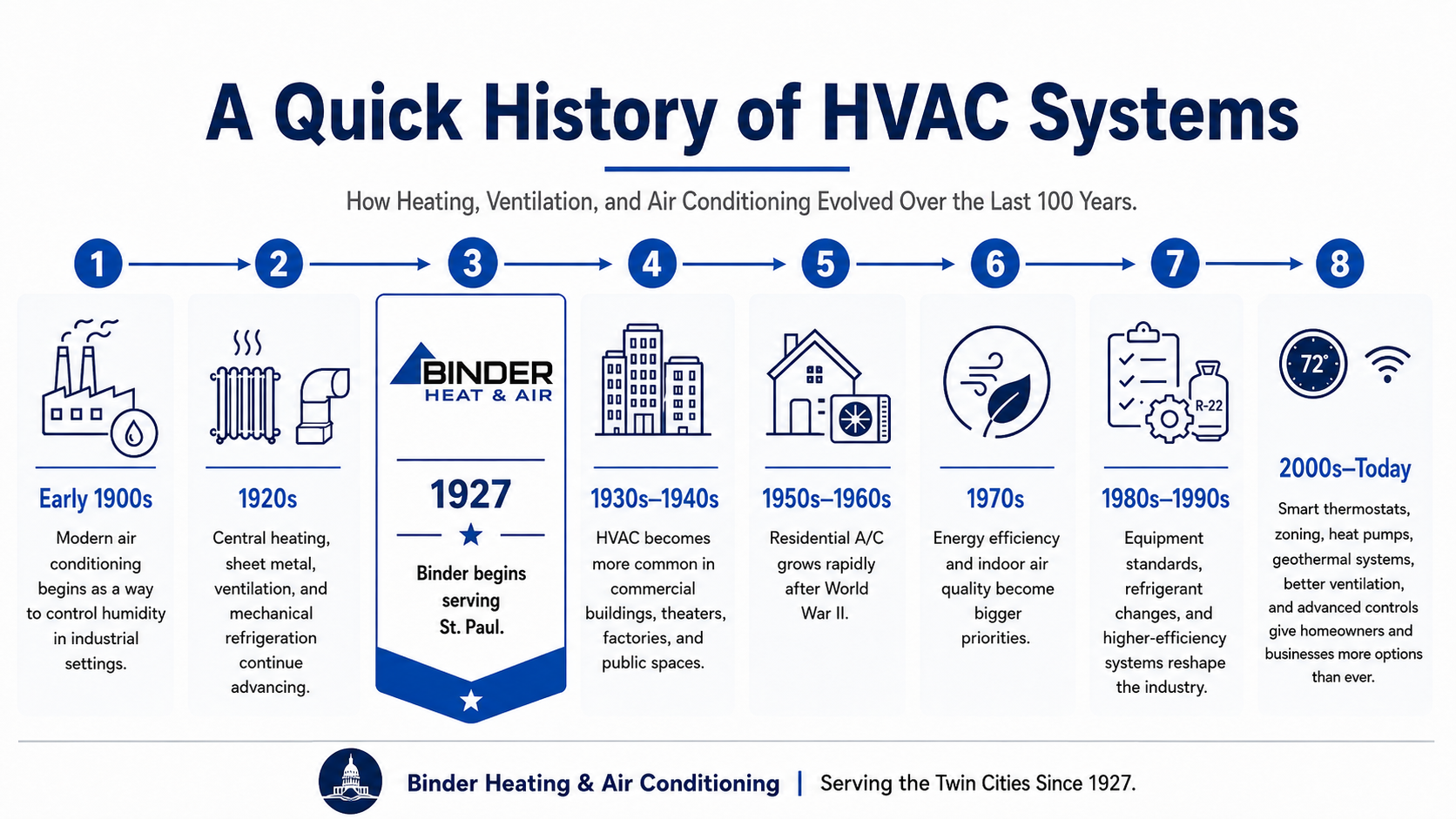
A history of HVAC timeline from the early 1900s to the present.
What Has Stayed The Same?
The history of HVAC systems is full of innovation, but some things haven’t changed much at all.
Homeowners still want:
- Heat that works when winter hits
- A/C that keeps up during peak summer heat
- Clean, comfortable, allergen-free indoor air
- Fair recommendations
- Reliable service
- Technicians who know what they’re doing
Businesses still need:
- Safe mechanical systems
- Good ventilation
- Efficient equipment
- Responsive service
- Contractors who understand complex buildings
Binder has seen a century of change in equipment, codes, controls, refrigerants, and efficiency standards. But the heart of the work is still the same: helping people stay comfortable and safe in the places where they live and work.
Looking Toward the Next 100 Years

HVAC technology will never stop advancing. Systems will continue getting smarter. Efficiency standards will keep evolving. Homeowners will have more options for heating, cooling, ventilation, zoning, and indoor air quality.
But even as technology changes, experience still matters.
A properly installed system still depends on good design, careful workmanship, quality materials, and honest service. That was true in 1927, and it’s still true today.
If you need help with your furnace, A/C system, ventilation, or overall home comfort, Binder is here to help with the same practical, customer-first approach that has carried the company for nearly a century. Schedule your service today!