Minnesota winters don’t leave much room for error when it comes to home heating. When the temperature dips and your furnace suddenly stops working, it’s more than an inconvenience—it can threaten your comfort, your safety, and even your pipes. And somehow, these shutdowns always seem to happen at night, on the coldest weekend of the year, or just after everyone has gone to bed.
The good news? Many furnace shutdowns stem from simple issues you can fix yourself. The key is knowing what to look for and when it’s time to call a licensed professional.
This guide walks you through the most common furnace shutdown troubleshooting steps, what they mean, and how to safely respond, so you can restore heat as quickly as possible.
If you do need immediate help, Binder Heat & Air is available 24/7 for emergency furnace service throughout the Twin Cities. A warm home is just a phone call away.
The Most Common Furnace Shutdown Issues—and How to Fix Them
When your furnace stops running, these are the first five things to check.
1. Make Sure the Furnace Has Power
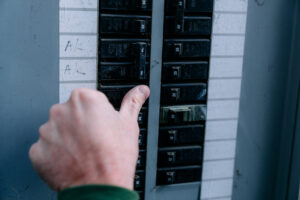
Even gas furnaces require electricity to operate. Start with the basics:
- Confirm the rest of your home has power
- Check the electrical panel for a tripped breaker
- Look for a furnace switch near the unit (it may have been bumped off)
- Ensure the furnace access panel is fully latched (some models won’t run unless it is)
If a lack of power is the problem and your furnace starts up again, monitor it closely for at least the next 24 hours. Repeated shutdowns are often a sign of a deeper issue.
2. Check Your Thermostat Settings
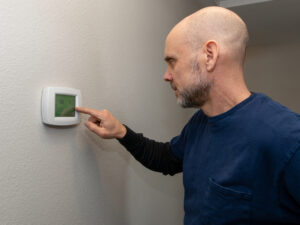
Sometimes the fix is surprisingly simple. Verify that:
- Your thermostat is powered on (replace the batteries, if needed)
- It’s set to “Heat” mode
- The temperature is set higher than the current room temp
- The date and time are correct (important for scheduled settings)
- There is no active “Hold” or locked setting
If your thermostat screen is blank or unresponsive, that’s a likely cause of the shutdown.
3. Inspect Your Air Filter
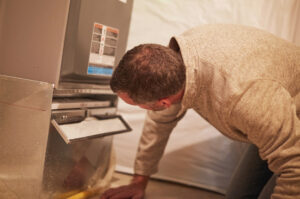
A clogged filter is one of the most common causes of emergency furnace shutdowns. That’s because restricted airflow can cause your furnace to overheat, triggering a built-in safety system that shuts the unit off.
Pull out your filter and hold it up to a light. If you can’t see light through it, it’s overdue for replacement. Changing your filter every 1–3 months during the heating season is one of the easiest ways to protect your system.
4. Check Outdoor Intake and Exhaust Vents
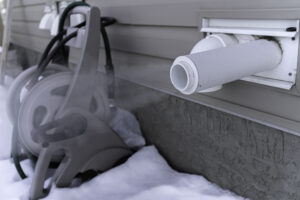
If you have a high-efficiency furnace, it likely uses PVC pipes that vent outdoors near ground level. In the Twin Cities, these vents are notorious for becoming blocked by:
- Heavy snow or ice
- Leaves and other debris
- Rodents or birds seeking warmth
A blocked vent can shut the furnace down immediately to prevent unsafe operation. Clear any obstructions and try restarting the system.
5. Observe What You Hear, See, or Smell

Your furnace will usually give warning signs before a full shutdown.
Look and listen for:
- A blinking indicator light (helpful for diagnosis)
- Sudden metal scraping, banging, or grinding sounds
- Yellow pilot flames instead of clean, steady blue flames
- A burning or electrical smell
- A sulfur/rotten-egg smell (indicates a possible gas leak—leave the home and call your gas provider right away!)
If something feels unsafe, stop furnace shutdown troubleshooting and call a professional right away. Safety comes first!
When Troubleshooting Isn’t Enough
Some failures require licensed furnace repair. These include:
- A malfunctioning ignition system
- Flame sensor corrosion
- A failed blower motor
- A cracked heat exchanger
- Pressure switch failure
- Internal wiring or electronics issues
If your furnace continues to shut down, won’t stay lit, or fails to produce heat after basic checks, it’s time to call for help. Binder offers fast, reliable furnace repair in St. Paul, MN, and throughout the greater Twin Cities metro area—day or night. For furnace emergency service in the Twin Cities, give us a call at (651) 457-8781.
Furnace Shutdown FAQs
Why does my furnace smell strange before shutting off?
Different smells point to different issues:
- Dusty smell: Common when starting up for the season, as dust burns off inside the unit.
- Burning plastic or electrical odor: Potential wiring or motor failure. Turn off the furnace and schedule service.
- Musty smell: May indicate mold or moisture in the ductwork.
- Rotten-egg smell: A strong sign of a gas leak. Leave immediately and call your utility provider. Do not attempt more troubleshooting!
If the smell concerns you, trust your instincts and get it checked out right away.
Is it safe to troubleshoot my gas furnace myself?
Yes—within limits. You can safely check:
- Thermostat settings
- Power supply and breakers
- Air filters
- Outdoor vents
Anything involving gas components, internal wiring, or ignition systems should only be handled by a licensed professional.
How do I prevent my furnace from shutting down again?
Prevention is far easier to deal with than last-minute breakdowns. To keep your system running reliably:
- Replace your filter regularly.
- Clear snow and ice from outdoor vents.
- Schedule professional furnace maintenance every year.
- Address minor repairs early—before they become major failures.
Annual tune-ups help catch issues long before they interrupt your heat—and can significantly extend the life of your system. Don’t want to deal with scheduling yearly inspections? Sign up for our Neighbor Network and receive service plan pricing, starting at $22/month.
When the Heat Goes Out, Binder Is Here to Help
You shouldn’t have to wait or wonder when your home’s heat fails. Binder has supported Minnesota families through nearly 100 winters, and we understand the urgency when your furnace goes down—especially in subzero weather.
Whether you’re dealing with strange noises or repeated furnace failures, our licensed HVAC experts will respond quickly, explain the situation, and fix the problem the right way.
Call (651) 457-8781 for 24/7 furnace emergency service in the Twin Cities. For non-emergencies, you can schedule service online.
Minnesota winters are tough, but with the right HVAC partner, you’ll stay warm—no matter what!