From hot, humid summer days to bitterly cold winter nights, Minnesota homeowners rely on their HVAC systems year-round. Most of the time, your furnace or air conditioner does its job quietly in the background—until it doesn’t.
Maybe your system has been limping along for a few seasons now. Maybe you’ve had one too many repair calls recently. Or maybe you’re wondering whether it’s smarter to replace now rather than risk a breakdown during extreme weather.
If any of those scenarios sound familiar, you’re not alone.
Below, we’ll walk through the most common warning signs, explain what HVAC replacement looks like, and help you make a confident, informed decision—before your system fails at the worst possible moment.
How Long Should an HVAC System Last?
In general, most residential HVAC systems have a lifespan of 10–15 years, depending on usage, maintenance history, and system type:
- Furnaces: 15–20 years
- Central air conditioners: 10–15 years
- Heat pumps: 10–15 years
Regular maintenance can help a system reach the upper end of its lifespan, but even the best-maintained equipment eventually wears out. Knowing the age of your system is often the first clue when evaluating HVAC replacement versus continued repairs.
If you’re unsure of your system’s age, a professional inspection can help determine where it falls in its lifecycle and whether furnace replacement, A/C replacement, or another solution makes the most sense. Contact us today to schedule your HVAC equipment inspection.
5 Signs It’s Time to Replace Your HVAC System
Most HVAC systems will provide insight into when replacement needs to be seriously considered. Some of the warning signs may include:
1. Your System Is Making Unusual or Increasingly Loud Noises
Every HVAC system makes some noise—but new or worsening sounds are often a red flag. Banging, rattling, grinding, or loud startup/shutdown noises can indicate worn components, failing motors, or structural issues inside the unit.
These problems often signal that the system is struggling and nearing the end of its useful life.
2. Your HVAC System Runs Longer Than It Used To
If your furnace or air conditioner seems to run constantly just to maintain a comfortable temperature, efficiency may be declining. Extended run times put additional stress on components and usually lead to higher utility bills.
This is especially common in older systems that can no longer keep up with demand during extreme Twin Cities weather.
3. Your Energy Bills Keep Climbing
Rising energy costs are one of the most common indicators homeowners notice before pursuing an HVAC system replacement. Older systems cycle on and off inefficiently and lack the advanced technology found in newer equipment.
High-efficiency furnaces, air conditioners, and heat pumps are designed to deliver consistent comfort while using significantly less energy.
4. Repairs Are Becoming Frequent—and Expensive
If your HVAC system feels like it’s always “in the shop,” replacement may be more cost-effective than continuing repairs.
A good rule of thumb: If repair costs are adding up quickly—or one major repair approaches half the cost of a new system—it’s time to seriously consider replacement.
5. Uneven Temperatures or Reduced Comfort
Hot and cold spots throughout the home, poor airflow, or difficulty maintaining consistent temperatures often point to aging equipment that can no longer perform as designed.
A properly sized, professionally installed replacement system restores comfort and reliability throughout the home.
HVAC Replacement vs. Repair: How to Decide
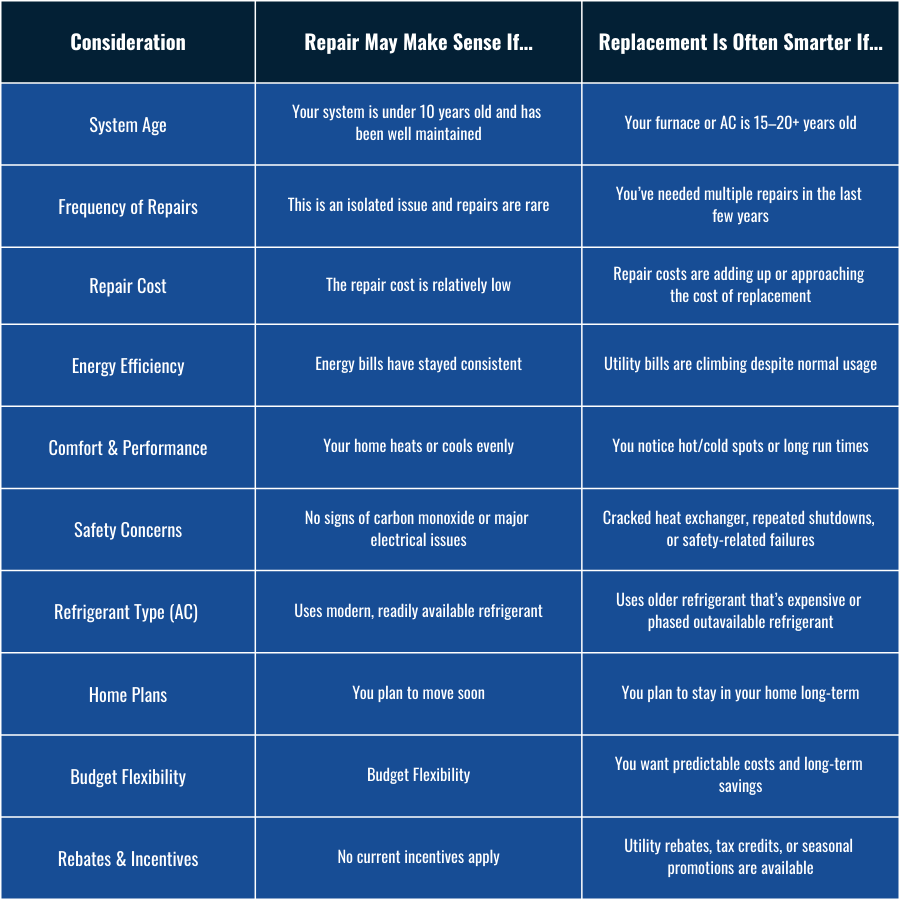
If your system is older, inefficient, or needing frequent repairs, replacement often provides better long-term value—even if the upfront cost is higher. New systems offer improved comfort, lower energy use, and greater reliability during Minnesota’s extreme weather.
That said, not every issue means replacement is necessary. Minor repairs, thermostat adjustments, or airflow corrections can sometimes extend system life. At Binder, our goal isn’t to push replacement—it’s to help you understand your options clearly so you can make the decision that fits your home, budget, and timeline.
If you’re still unsure, here’s a simple comparison table to help you decide:
When Is the Best Time to Replace HVAC Equipment?
While HVAC systems can technically be replaced any time of year, timing your replacement during non-peak seasons often gives homeowners more flexibility, better pricing, and less stress.
Non-peak seasons are the times when demand for heating or cooling isn’t at its highest. During these periods, HVAC companies typically have more availability, manufacturers run promotions, and utility rebates are often easier to take advantage of. Most importantly, you’re not making a rushed decision during a breakdown.
Here’s how timing breaks down by system type:
Best Time to Replace an Air Conditioner: Early spring (March–April) or late summer (July–August)
Replacing your air conditioner before peak summer heat sets in gives you time to:
- Compare system options and efficiency levels
- Schedule installation without emergency pricing
- Take advantage of manufacturer and utility rebates
Late summer can also be a great window, especially if your A/C struggled during the hottest days. You’ll still beat the fall rush and head into the next cooling season with confidence.
If your system is older or showing signs of wear, planning an A/C replacement during these non-peak months helps avoid a mid-July breakdown when scheduling options are limited.
Best Time to Replace a Furnace: Early fall (September–October) or late winter (January–February)
Early fall is a popular time to replace furnaces because it allows homeowners to get ahead of winter before temperatures drop. That said, January and February are often overlooked, and they can be one of the smartest times to replace a furnace.
Why late winter makes sense:
- It’s typically the slowest time of year for HVAC companies
- Many contractors (Binder included) offer excellent specials
- Energy companies (like Xcel Energy) often have strong rebate programs running
- You can address problems before the next cold snap hits
Minnesota winters are unforgiving. If you suspect your furnace is nearing the end of its lifespan, waiting it out can be risky. A furnace that’s “hanging on” in December may not survive a stretch of sub-zero temperatures in January.
Scheduling a furnace replacement during those cold winter months will give you peace of mind knowing your system is reliable for the rest of the season, and you’re not scrambling during an emergency.
If your furnace shuts down unexpectedly, there are a few safe checks homeowners can perform before calling for service. This furnace troubleshooting guide walks through what to look for.
Frequently Asked Questions
How long does it take to replace a furnace?
Most furnace replacements take 6–10 hours and are completed in a single visit. More complex installations may require additional time. Replacing both a furnace and a central air system may take a bit longer, depending on ductwork, venting, or system upgrades.
Should I replace a 20-year-old furnace?
Yes. A 20-year-old furnace is beyond its expected lifespan. Replacement improves efficiency, reliability, safety, and comfort—often with immediate energy savings.
Does a home warranty cover HVAC replacement?
Some warranties may cover specific failures, but coverage varies widely and often excludes older systems or requires proof of regular maintenance. Always review your policy details carefully.
How often does HVAC need to be replaced?
Most homeowners should expect to replace major HVAC components every 10–20 years, depending on system type and maintenance history.
How do I choose the right HVAC system?
HVAC replacement isn’t one-size-fits-all. A proper evaluation includes:
- Home size and layout
- Insulation and air sealing
- Existing ductwork
- Comfort goals and budget
- Energy-efficiency priorities
Whether you’re considering a furnace replacement in St. Paul, upgrading your central air, or exploring a heat pump, Binder offers professional guidance to ensure the system fits your home—not just the square footage. Contact us today to discuss your HVAC needs.
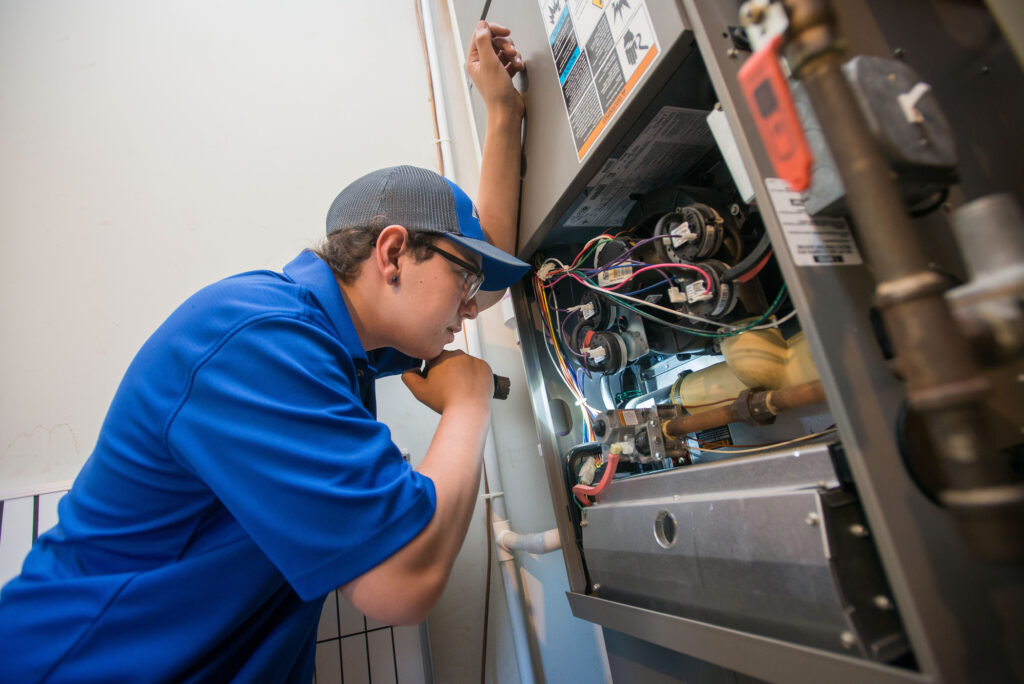
Why Homeowners Choose Binder for HVAC Replacement
Binder Heating & Air Conditioning has served Twin Cities homeowners for generations. When you trust Binder for your HVAC replacement, you get:
- Honest recommendations—with no pressure
- Skilled, licensed technicians
- High-quality, energy-efficient systems
- Clear pricing and financing options
- Installations done right the first time
Whether you need a furnace replacement, an A/C replacement, or a full HVAC system replacement, our team will help you make a confident, informed decision.
Don’t Wait for a Breakdown to Decide
If your HVAC system fails suddenly, you may not have time to shop around, compare systems, or get a second opinion. Planning ahead allows you to choose the right equipment, the right price, and the right HVAC company that best fits your needs.
If you’re starting to wonder whether it’s time to replace your HVAC system, Binder is here to help—before it becomes an emergency. Our expert technicians handle removal, installation, testing, and cleanup, so you’re left with a system that’s ready to perform safely and efficiently.
Explore our website to learn more or request an estimate today.