Heating costs in the Twin Cities are no joke. Between long winters, sub-zero cold snaps, and rising energy prices, it’s easy for monthly utility bills to creep higher than expected.
The good news?
You don’t always need a new furnace or major upgrade to see real savings. Sometimes, the biggest difference comes down to how you use your thermostat.
Smart thermostat settings—when programmed correctly—can significantly reduce energy use without sacrificing comfort. In fact, Binder put this to the test firsthand. A few years ago, we installed a smart thermostat and programmed a thoughtful heating and cooling schedule in our own shop. The result? More than $100 per month in energy savings, simply from smarter temperature control.
In this guide, we’ll walk through the smart thermostat settings that actually work for Twin Cities homeowners, explain the best thermostat schedules for typical Minnesota weather, and discuss how rebates and professional installation can make upgrading even more worthwhile.
Why Smart Thermostat Settings Matter in Minnesota
In a climate like ours, your heating system works hard, often for months at a time. Even small temperature adjustments can add up to meaningful savings over the course of a winter.
According to the U.S. Department of Energy, lowering your thermostat by just 7–10 degrees for 8 hours a day can reduce heating costs by up to 10% per year.
Smart thermostats make this easy by automating temperature changes so you don’t have to think about them. But here’s the key: A smart thermostat only saves money if it’s programmed correctly.
Without applying smart thermostat settings, many homeowners never unlock the full potential of the technology.
The Best Thermostat Schedule for Twin Cities Homes
Let’s break down a practical, energy-saving thermostat schedule designed specifically for Minnesota homes.
Weekday Smart Thermostat Settings
Many Twin Cities households follow a fairly predictable weekday rhythm—waking up, heading to work or school, and settling in for the evening. That consistency makes weekdays the best opportunity for real energy savings. By slightly lowering temperatures when you’re asleep or away, then warming things back up when you’re home, smart thermostat settings can reduce heating costs without sacrificing comfort.
Early Morning (6:00–8:00 a.m.)
- Set the temperature to 68–70°F.
- This keeps your home comfortable as you get ready for the day without overheating the space.
Daytime (8:00 a.m.–4:00 p.m.)
- Set the temperature to 60–62°F.
- If the house is empty, this setback can deliver significant savings. Smart thermostats handle this automatically.
Evening (4:00–10:00 p.m.)
- Set the temperature to 68–70°F.
- Comfort when you’re home and active.
Overnight (10:00 p.m.–6:00 a.m.)
- Set the temperature to 60–65°F.
- Cooler temperatures support better sleep and reduce energy use.
Weekend Smart Thermostat Settings
Weekends in the Twin Cities usually look different than weekdays. You’re likely home more, sleeping in, hosting friends, or tackling projects around the house, so your smart thermostat settings should reflect that.
Early morning (7:00–9:00 a.m.)
- Set the temperature to 68–70°F.
- A slightly later warm-up helps you stay cozy without heating the house unnecessarily before you’re awake.
Daytime (9:00 a.m.–4:00 p.m.)
- Set the temperature to 66–68°F.
- Since you’re likely home, this setting keeps the house comfortable while still avoiding overheating.
Evening (4:00–11:00 p.m.)
- Set the temperature to 68–70°F.
- This is an ideal temperature range for relaxing, entertaining, or family time.
Overnight (11:00 p.m.–7:00 a.m.)
- Set the temperature to 60–65°F.
- Cooler sleeping temperatures save energy and often improve sleep quality.
Pro Tip: Customize, Don’t Overcomplicate
Many smart thermostats allow you to copy weekday settings and make small weekend adjustments, so there’s no need to start from scratch. The goal is consistency with flexibility, not micromanaging every hour.
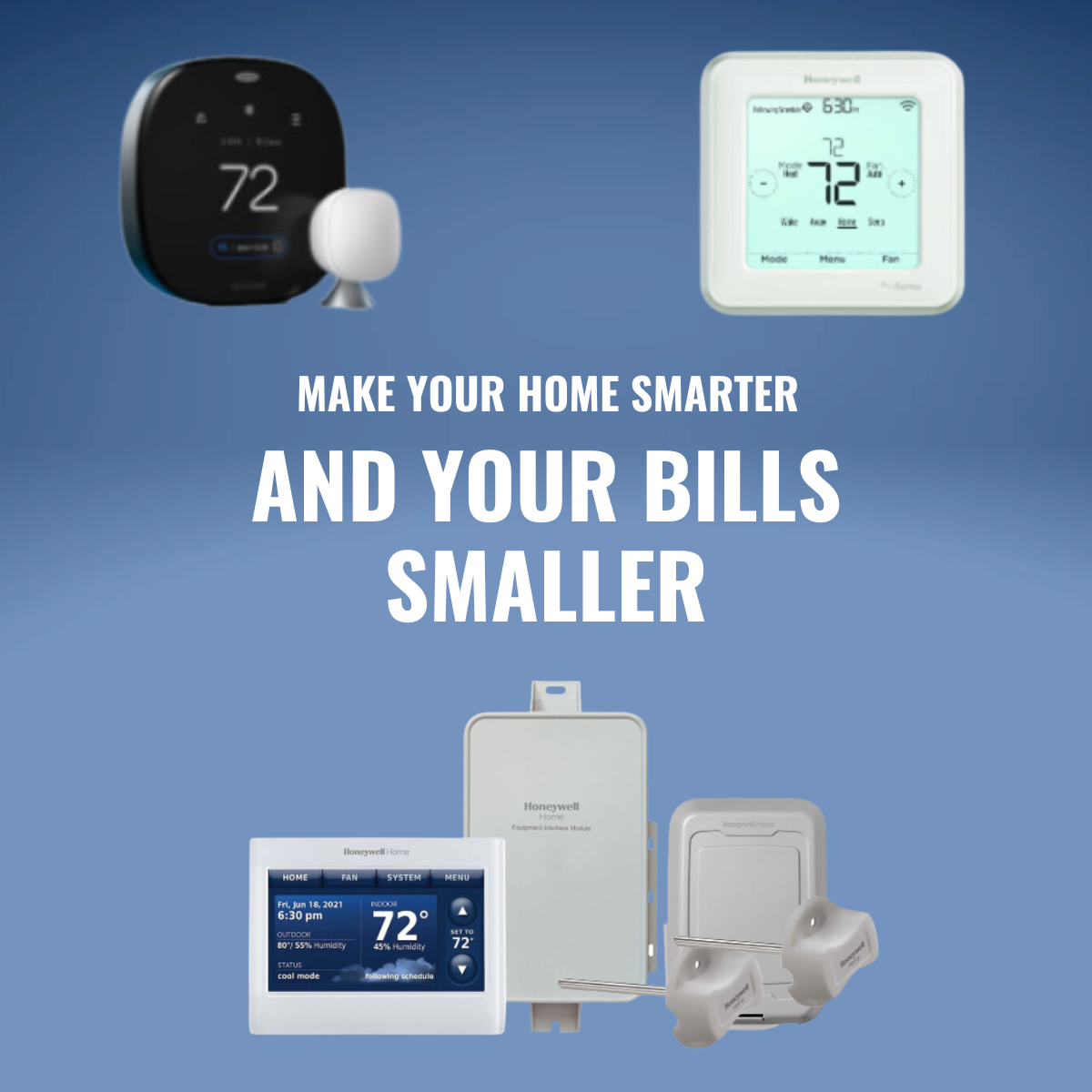
Smart Thermostat Settings That Deliver Real Savings
Beyond scheduling, smart thermostats include other features that can quietly cut energy use behind the scenes.
1. Use Adaptive Learning (When Available)
Many smart thermostats learn how long your home takes to heat up and adjust accordingly. Instead of blasting heat at the last minute, they start gradually, reducing strain on your furnace and improving efficiency.
2. Enable Geofencing (If It Fits Your Lifestyle)
Geofencing uses your phone’s location to detect when you leave or return home. For households with consistent routines, this can prevent heating an empty house.
3. Avoid Overcorrecting During Cold Snaps
When it’s -10°F outside, cranking the thermostat higher won’t heat your home faster—it just forces your system to work longer. Stick to steady, reasonable setpoints to avoid unnecessary wear.
4. Adjust Fan Settings Thoughtfully
In the winter, leaving the fan on “Auto” (instead of “On”) usually saves energy by running the blower only when heat is needed.
5. Use Vacation Settings While You’re Away
Heading out of town? There’s no need to heat your home as if you’re there when you’re miles away. A Wi-Fi–enabled smart thermostat makes it easy to save energy without worrying about your home while you’re gone. Vacation settings allow you to temporarily adjust your heating schedule so you’re not warming an empty house, while still keeping your system running safely in cold weather.
Common Smart Thermostat Mistakes to Avoid
A little fine-tuning goes a long way, but even good intentions can backfire without the right approach. Here are a few mistakes we see often:
- Constantly overriding the schedule, which defeats automation.
- Setting extreme setbacks that force the system to work harder later.
- Ignoring energy reports that highlight optimization opportunities.
- Not updating schedules as routines change.
What Makes a Thermostat an Energy Saver Thermostat?
Not all thermostats deliver the same results. An effective energy saver thermostat typically includes:
- Programmable or smart scheduling
- Wi-Fi connectivity
- Energy usage reports
- Compatibility with high-efficiency furnaces and heat pumps
- Utility rebate eligibility (like Xcel Energy programs)
Pairing the right thermostat with the right system—and installing it correctly—makes all the difference.
Rebates That Make Smart Thermostats Even Smarter
Many Twin Cities homeowners don’t realize that Xcel Energy offers rebates on qualifying smart thermostats, helping offset upfront costs. These incentives are designed to encourage energy-saving behavior and reduce peak demand during extreme weather.
Rebate eligibility can depend on:
- Thermostat model
- Type of heating system
- Installation method
This is where professional guidance matters. Binder helps homeowners choose models that qualify for rebates and ensures proper setup so savings aren’t left on the table. Contact us today to discuss your home heating and cooling needs.
Professional Installation vs. DIY: Does It Matter?
While many smart thermostats are marketed as DIY-friendly, professional installation can make a real difference in performance and reliability—especially in older Twin Cities homes or with more complex HVAC systems. If you’re already investing in an energy-saving thermostat, professional installation helps protect that investment.
Professional installation ensures:
- Proper wiring and system compatibility (some smart thermostats work better with certain types of equipment)
- Accurate configuration for Minnesota weather
- Integration with furnaces, boilers, or heat pumps
- Correct programming from day one
If you’d prefer expert help (and peace of mind), you can learn more about having Binder handle the installation on our Residential Heating & Cooling page.
Ready to Save on Your Utility Bills?
If you’re tired of unpredictable energy bills, a smart thermostat—when installed and programmed correctly—can be a simple, powerful upgrade.
Binder helps Twin Cities homeowners:
- Select rebate-eligible smart thermostats
- Program the best thermostat schedule for Minnesota homes
- Ensure compatibility with existing heating systems
- Maximize comfort and long-term savings
Schedule your smart thermostat consultation today and let our team help you take control of your comfort and energy costs.